

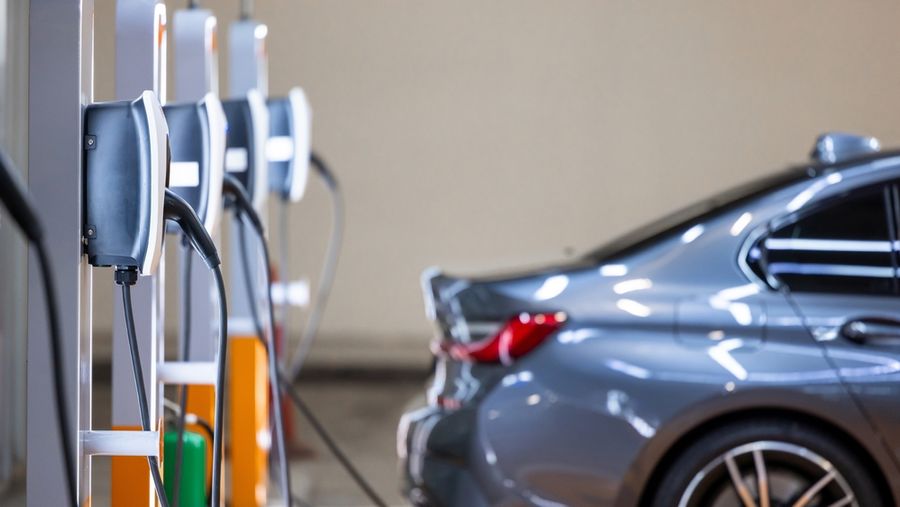
Electric vehicles are gaining momentum as drivers look for cleaner, more efficient alternatives to traditional cars. Advances in battery performance, charging infrastructure, and onboard technology have transformed EVs into practical options for everyday use. Many households are now considering electric models as they explore ways to reduce fuel costs and environmental impact. Understanding the technology that powers EVs helps clarify why their popularity continues to grow. With thoughtful innovation, electric vehicles are shaping the future of transportation.
How Modern EV Batteries Deliver Power and Efficiency
Battery technology sits at the heart of every electric vehicle. Lithium-ion batteries store large amounts of energy while remaining compact and lightweight, making them well-suited for transportation. These batteries convert stored energy into electrical power that moves the vehicle, and advancements have significantly improved range and reliability. Modern EVs now offer driving distances that support daily commutes and longer trips more comfortably than earlier models.
Charging speed and longevity also continue to improve. Fast-charging capabilities help drivers restore range quickly at compatible stations, reducing downtime on the road. Battery management systems monitor temperature, energy flow, and overall health to extend lifespan. As battery technology evolves, electric vehicles become more efficient, accessible, and appealing to a wider audience.
Understanding Electric Motors and Performance
Electric motors operate differently from internal combustion engines, and their design provides several unique benefits. These motors deliver instant torque, resulting in smooth and responsive acceleration without traditional gear shifts. Fewer moving parts also mean reduced wear and lower maintenance costs compared to gas-powered engines. The simplicity of the motor contributes to both durability and reliability.
Performance extends beyond speed. Electric motors run quietly, creating a calmer driving experience that reduces cabin noise. Regenerative braking captures energy lost during deceleration and directs it back into the battery, improving overall efficiency. Together, these features provide a driving experience that feels modern, efficient, and refined.
Charging Infrastructure and Accessibility
A growing network of charging stations supports the rise of electric vehicles. Public charging locations now appear in city centers, shopping areas, workplaces, and along major highways. Level 1 and Level 2 chargers offer gradual charging solutions for home or work environments, while fast chargers deliver significant range in shorter timeframes. As availability expands, EV ownership becomes more convenient for drivers with diverse needs.
Home charging adds another layer of accessibility. Many drivers install Level 2 chargers at home for overnight charging, ensuring their vehicles begin each day with a full battery. Government incentives and utility programs often help offset installation costs. With improved accessibility, charging becomes a smoother and more predictable part of everyday life.
Environmental Benefits and Sustainability Impact
Electric vehicles offer meaningful environmental advantages. They produce no tailpipe emissions, helping reduce air pollution in cities and densely populated areas. When powered by renewable energy sources, EVs further decrease overall carbon emissions. This cleaner approach to transportation aligns with global efforts to combat climate change and improve air quality.
Sustainability extends to the production and recycling of batteries. Manufacturers are developing methods to reuse valuable materials and reduce waste throughout the battery lifecycle. Continued improvements in renewable energy and battery recycling strengthen the long-term environmental benefits of EVs. As technology advances, electric vehicles play an increasingly important role in a greener future.
Challenges and Innovations Shaping the Future of EVs
Despite their growth, electric vehicles still face challenges such as battery cost, charging access in rural areas, and range limitations for long-distance travel. Engineers and researchers continue developing solutions to address these concerns. Emerging technologies such as solid-state batteries promise greater energy density, faster charging, and enhanced safety. As adoption grows, EVs are expected to become even more practical and affordable.
Automakers also explore new features that integrate renewable energy and smart technology. Vehicle-to-grid systems may eventually allow EVs to return stored energy to power homes or stabilize electric grids. Continuous innovation strengthens the case for electric vehicles and expands their capabilities. With steady progress, the future of EVs looks increasingly bright.
Driving Toward a Cleaner Transportation Future
Electric vehicles represent a major shift in how people approach transportation. With advancements in battery technology, improved charging networks, and growing environmental awareness, EVs continue to gain widespread interest. Their benefits reach beyond drivers to support cleaner communities and long-term sustainability efforts. As innovation accelerates, electric vehicles will play an essential role in shaping a future defined by efficiency, responsibility, and smarter mobility.