

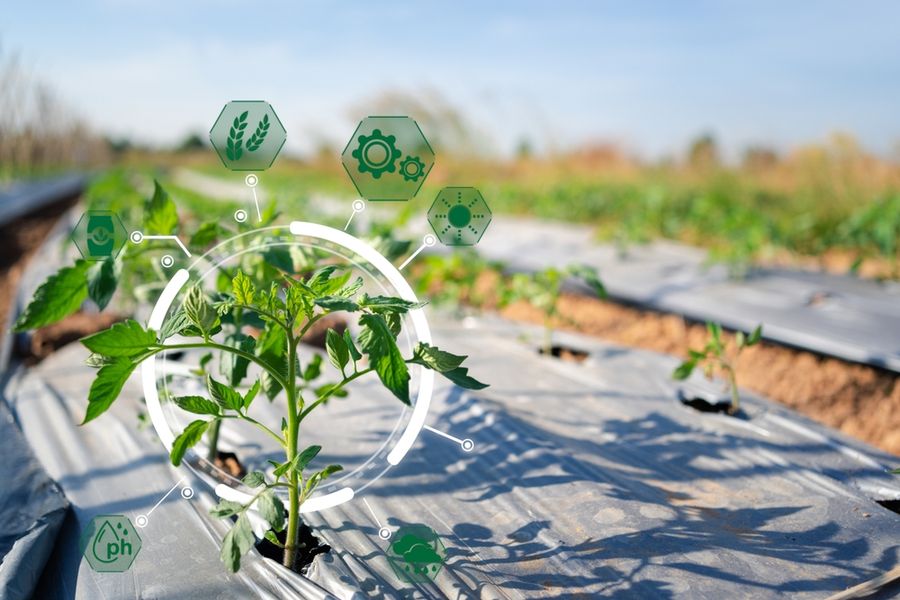
Green technology continues to evolve as the world focuses on protecting natural resources and reducing environmental impact. Innovative solutions now appear in homes, businesses, and communities, offering practical ways to support sustainability. From cleaner energy sources to smarter waste reduction tools, technological advancements help create a healthier planet for future generations. With growing awareness and accessible options, green tech empowers individuals and organizations to make meaningful contributions to environmental well-being.
Advancements in Renewable Energy Solutions
Renewable energy remains one of the most influential areas of green technology. Solar, wind, and hydropower systems provide clean alternatives to fossil fuels and reduce overall carbon emissions. As technology improves, renewable energy has become more affordable and efficient, making it accessible to households and businesses. Innovations such as flexible solar panels and offshore wind systems continue to expand possibilities for sustainable power.
Energy storage solutions also play a significant role. Improved battery technology allows renewable energy to be stored for later use, increasing reliability during low-production periods. Grid-scale batteries and home storage units help support consistent access to clean energy. These advancements strengthen the impact of renewable sources and encourage wider adoption. With ongoing development, renewable energy becomes a practical choice for more communities around the world.
Eco-Friendly Transportation Innovations
Sustainable transportation options have become a key focus in the effort to reduce emissions. Electric vehicles, hybrid systems, and alternative fuel technologies help lower environmental impact while providing efficient mobility. Advances in battery design and charging infrastructure support faster charging and longer travel ranges. Public transit improvements—such as electric buses and low-emission trains—further contribute to cleaner air and reduced congestion.
Micromobility solutions also offer eco-friendly alternatives for short-distance travel. Electric bikes, scooters, and shared mobility programs reduce reliance on traditional vehicles. These options help minimize traffic while promoting healthier cities. As transportation technology evolves, more travelers adopt sustainable habits that support cleaner, more efficient communities.
Waste Reduction and Recycling Technologies
Modern waste management solutions help address growing concerns about landfill overflow and pollution. Smart sorting systems use sensors and artificial intelligence to separate recyclable materials more accurately, improving recycling rates. Composting technologies convert organic waste into nutrient-rich soil, reducing methane emissions and supporting sustainable agriculture. These innovations promote responsible waste handling and encourage environmentally conscious lifestyles.
Upcycling technologies transform discarded materials into new, valuable products. Companies now repurpose plastics, textiles, and metals into furniture, fashion, and construction materials. This shift reduces the demand for raw resources and limits environmental strain. As waste reduction technologies expand, they contribute to a circular economy that prioritizes reuse and sustainability.
Energy-Efficient Home and Building Designs
Green technology plays an important role in creating energy-efficient living and working spaces. Smart thermostats, LED lighting, and advanced insulation materials reduce energy consumption while increasing comfort. Homes and buildings designed with sustainable practices—such as green roofs or high-efficiency windows—help minimize environmental impact over time. These updates also lead to long-term savings on utility costs.
Commercial spaces benefit from similar innovations. Automated lighting systems, energy-efficient HVAC units, and environmentally friendly construction materials support sustainable building operations. Green certifications encourage organizations to adopt eco-friendly designs. As energy-efficient building technologies continue to advance, they create healthier indoor environments and reduce resource consumption.
Agricultural and Food Sustainability Technologies
Agriculture is transforming through the help of green technology. Precision farming tools use sensors, drones, and data analytics to optimize crop production and reduce resource waste. These technologies help farmers monitor soil health, water usage, and plant growth more effectively. Smart irrigation systems ensure water is used efficiently, supporting both sustainability and crop yield.
Alternative food technologies also contribute to environmental protection. Plant-based proteins, lab-grown foods, and sustainable packaging solutions reduce strain on land and water resources. Vertical farming and hydroponic systems allow crops to grow in controlled environments using minimal space. These innovations support more resilient food systems and help meet the demands of a growing global population.
Moving Toward a Greener Future
Green technology continues to drive meaningful change by offering solutions that protect natural resources and reduce environmental harm. When individuals, businesses, and communities embrace sustainable tools, the collective impact becomes powerful. Each innovation encourages new opportunities for cleaner energy, reduced waste, and more efficient living. As advancements progress, green tech will shape a future where environmental responsibility and everyday convenience work together to support a healthier planet.