

Credit scores play a major role in everyday financial decisions, often affecting more than people expect. From loan approvals to interest rates, your three-digit number can shape access to opportunities and long-term stability. Understanding how credit scores work and why they matter can help you make smarter choices, avoid costly mistakes, and build a stronger financial future over time.
Understanding Credit Scores
A credit score is a numerical representation used by creditors to assess an individual's credit behavior and predict their likelihood of making loan payments. This score typically ranges from 300 to 850, with higher scores indicating lower financial risk to lenders (source). A high credit score can facilitate easier loan approvals, apartment rentals, and lower insurance rates.
The FICO score is the most commonly used scoring system by lenders, and it is derived from information in credit reports. These reports include factors such as payment history, outstanding balances, length of credit history, applications for new credit accounts, and types of credit accounts (source).
Factors Influencing Credit Scores
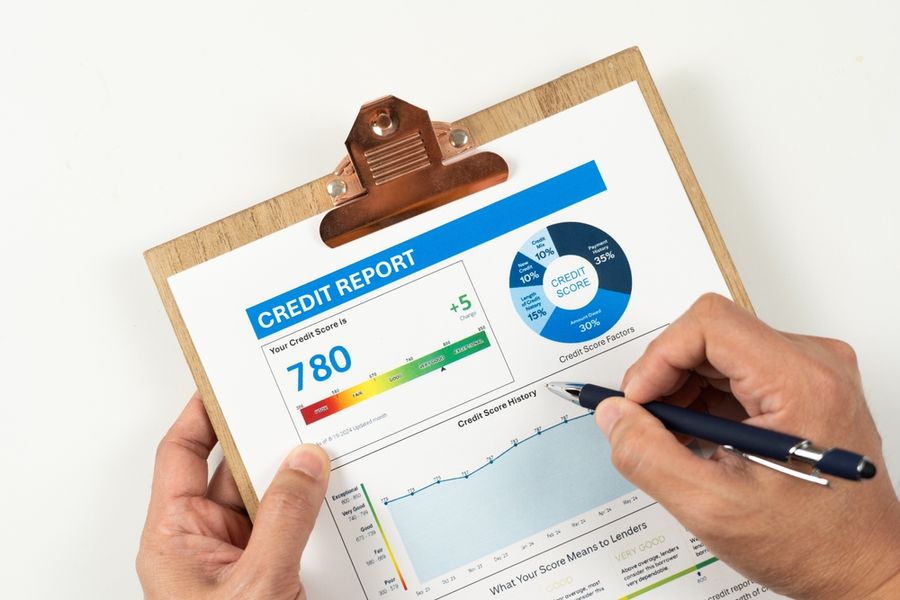
Understanding the factors that influence credit scores is crucial for improvement. The primary elements include payment history, amounts owed, length of credit history, credit mix, and new credit. Payment history is the most critical factor, accounting for 35% of a FICO Score (source). Making on-time payments is essential, and setting up autopay can help ensure timely payments.
Reducing credit utilization, which is part of the amounts owed category making up 30% of a FICO Score, can significantly impact the score (source). Strategies include paying down credit card balances and using debt repayment methods.
Improving Your Credit Score
Improving a credit score involves several strategic actions. Paying bills on time, reducing outstanding balances, and avoiding opening multiple new accounts simultaneously are key steps.
Keeping credit card balances low relative to the total credit limit is also important, as experts recommend using no more than 30% of the total credit limit (source). Additionally, maintaining a long credit history positively influences the score, as it provides more data for credit scoring models to assess creditworthiness.
Accessing and Monitoring Your Credit Score
There are four primary methods to obtain a credit score: reviewing credit or loan statements, consulting with a credit or housing counselor, using a credit score service, or purchasing the score from major credit reporting agencies like Equifax, Experian, or TransUnion (source).
Consumers can access their credit reports for free from the three major credit bureaus through AnnualCreditReport.com, which is the only authorized source for free credit reports (source). Regularly checking credit reports for errors and disputing inaccuracies can help maintain an accurate credit profile.
Strategies for Building Credit
For those new to credit or looking to improve their score, products like secured credit cards or credit builder loans can be effective. These are designed to help establish and build credit effectively (source).
Becoming an authorized user on a responsible person's credit card can also help build or rebuild a credit score. This strategy can provide an immediate positive impact, especially if the account has a good payment history and low credit utilization (source).
Why You Should Learn More About Credit Scores Today
Understanding and managing credit scores is essential for financial health. A good credit score can open doors to better financial opportunities, such as lower interest rates and easier access to loans. By learning more about the factors that influence credit scores and implementing strategies to improve them, individuals can enhance their financial standing.
Regular monitoring and proactive management of credit reports can prevent unnecessary damage and ensure a strong credit profile. As credit scores play a significant role in financial decisions, staying informed and taking action can lead to long-term benefits.