

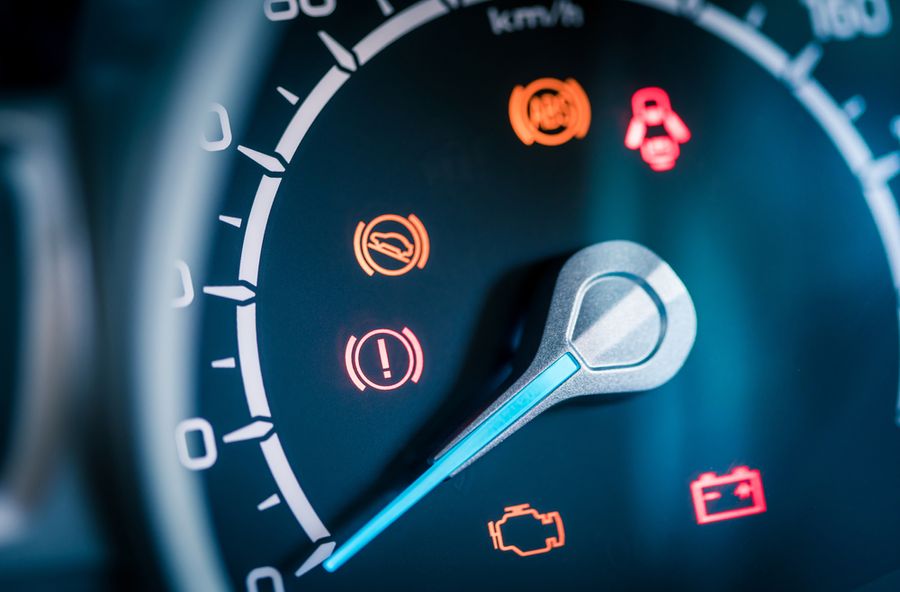
A dashboard warning light has a way of stopping a driver’s heart for a moment. A small icon can signal anything from a routine reminder to an urgent mechanical problem. Understanding what each indicator represents builds confidence and helps prevent minor issues from escalating into costly repairs. Paying attention to dashboard alerts also supports safer driving and better long-term vehicle health. When drivers recognize the meaning behind each symbol, they’re better equipped to respond with clarity and purpose.
Understanding the Check Engine Indicator
The check engine light is one of the most recognized dashboard signals and can illuminate for a wide range of reasons. It may appear due to something simple, such as a loose gas cap, or it may point to a more serious engine or emissions-related issue. Because the light covers such a broad spectrum of potential problems, many drivers feel uncertain about what action to take when it turns on.
A steady glow generally indicates a non-urgent issue that still requires timely attention. However, a blinking version suggests a more severe problem that can damage the engine if ignored. Professional diagnostics can pinpoint the cause and help prevent further complications. Addressing the alert promptly often reduces repair costs and keeps the vehicle running efficiently.
Interpreting the Oil Pressure Symbol
The oil pressure light signals a drop in the pressure that lubricates the engine’s moving parts. When this icon appears, it often reflects a lack of oil, a malfunctioning pump, or a potential blockage within the lubrication system. Because engines depend on a steady flow of oil, this warning should never be dismissed.
Continuing to drive with low oil pressure can cause severe engine damage in a very short period of time. If the symbol illuminates, the safest action is to pull over as soon as conditions allow and check the oil level. Topping off low oil may resolve the situation temporarily, but recurring alerts should be evaluated by a certified technician to ensure internal components remain protected.
Recognizing the Battery or Charging Alert
The battery or charging system icon often activates when the vehicle is no longer generating enough electrical power. This may result from a failing alternator, loose connections, or an aging battery nearing the end of its lifespan. Because modern vehicles rely heavily on electrical systems, the alert can affect more than just the ability to start the engine.
If the charging system stops functioning, headlights may dim and accessories may behave unpredictably. Eventually, the engine may stall due to the inability to supply adequate power. When this light appears, it’s wise to minimize electrical usage and seek inspection soon after. Early attention often prevents roadside breakdowns and ensures the charging system remains dependable for everyday driving.
Responding to the Temperature Warning Light
The temperature warning light indicates that the engine is overheating. Common causes include low coolant, cooling system leaks, a faulty thermostat, or a malfunctioning radiator fan. Overheating can cause significant damage if not addressed, which makes this alert one of the most important to recognize.
If the symbol appears, reducing engine strain by turning off the air conditioning and pulling over safely can help prevent escalation. Allowing the engine to cool before checking coolant levels is essential for safety. Continuing to drive while overheating can warp engine components or lead to complete engine failure. Prompt attention from a qualified technician ensures the cooling system remains reliable and prevents recurring temperature-related issues.
What the Tire Pressure Light Signals
The tire pressure monitoring system activates when one or more tires fall below the recommended air pressure. Low pressure can occur due to punctures, seasonal temperature changes, or gradual air loss over time. Driving with underinflated tires reduces fuel efficiency, affects handling, and increases the risk of blowouts.
Addressing the alert soon after it appears helps maintain traction and improves overall vehicle safety. Adding air to the proper level often resolves the issue, but persistent pressure loss may indicate a leak that needs repair. Regular tire checks support smoother driving and prolong tire lifespan, helping prevent additional wear and future warning alerts.
Staying Alert Behind the Wheel
Warning lights serve as an early communication system between a driver and the vehicle. By paying attention to each symbol and responding with timely care, small mechanical concerns stay manageable and major repairs remain less likely. Familiarity with dashboard indicators also creates a stronger sense of control during unexpected moments on the road. When drivers remain proactive and attentive, every journey benefits from greater safety and confidence.