

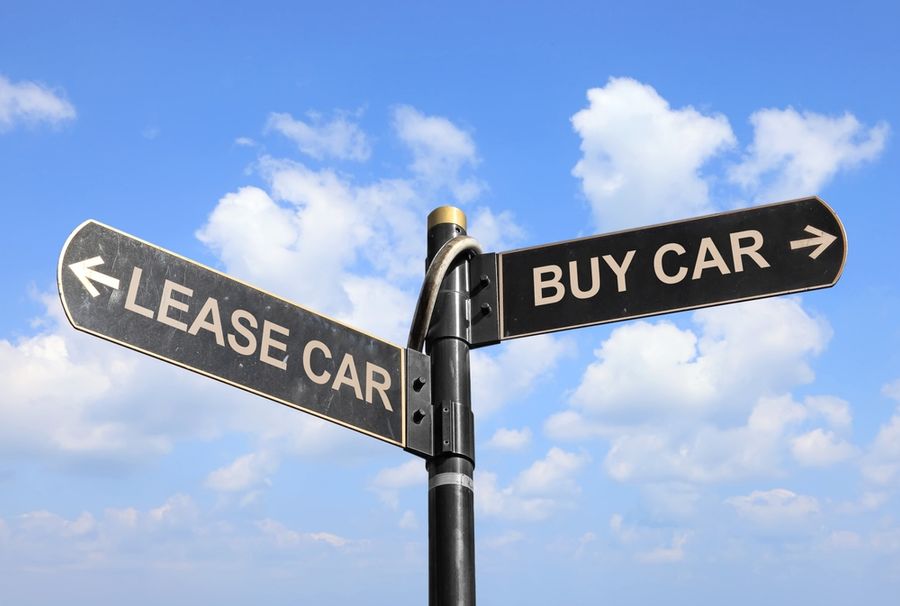
Choosing between leasing and buying a car can feel overwhelming, especially when both options offer appealing advantages. Many drivers focus on monthly payments without considering how each path aligns with long-term needs and financial goals. Understanding the core differences brings clarity and helps prevent surprises throughout the ownership journey. Whether a driver values flexibility, predictable costs, or full ownership, knowing the trade-offs supports a more confident and informed decision.
Understanding the Financial Structure of Leasing
Leasing often attracts drivers because the monthly payments tend to be lower than traditional loans. Instead of paying for the full vehicle, the lease covers only the depreciation during the agreement period. This structure allows many people to drive a newer model without committing to the total purchase cost. Lease terms also typically include warranty coverage for major repairs, which can help with budgeting.
However, leasing comes with financial limitations. Drivers do not build equity, and at the end of the term, there is no vehicle to sell or trade. Early termination fees can also be expensive, reducing flexibility if circumstances change. Those who prefer long-term value may find leasing less appealing once all costs are considered.
The Long-Term Value of Buying
Purchasing a car offers the advantage of full ownership once the loan is paid off. After that point, monthly payments disappear, allowing the driver to enjoy several years with significantly lower expenses. This long-term value often appeals to those who plan to keep a vehicle for many years. Over time, ownership provides more financial predictability and ultimately lowers the cost of driving.
Another benefit of buying is the freedom to modify or customize the vehicle. Owners can choose their maintenance schedule, adjust the appearance, or drive without mileage limits. The ability to sell or trade the vehicle at any time adds additional flexibility. For drivers who want full control, buying often delivers a sense of stability and independence that leasing cannot match.
Mileage Limits and Lifestyle Considerations
Leasing agreements typically include mileage restrictions, which can create challenges for drivers with unpredictable travel habits. Exceeding the limit often results in costly fees at the end of the term. This makes leasing less practical for long commutes, frequent road trips, or lifestyle changes that increase yearly mileage. Staying within a strict limit requires awareness and careful planning.
Buying eliminates this concern altogether. Drivers can travel as much as they want without penalty, making ownership a better fit for those with active or growing lifestyles. Families, commuters, and adventure-focused drivers often appreciate the freedom that comes without mileage caps. When flexibility is a priority, owning a vehicle may align more comfortably with daily life.
Repair and Maintenance Expectations
One advantage of leasing is the reduced likelihood of major repair costs. Most leased vehicles remain under factory warranty for the duration of the agreement. This coverage can lower financial stress and keep maintenance predictable. Drivers who prefer minimal hassle often gravitate toward leasing for this reason.
Buying a car, however, eventually leads to out-of-warranty expenses. Repairs become the responsibility of the owner as the vehicle ages. While this can increase costs, regular maintenance helps extend the vehicle’s lifespan and preserve its value. Owners who invest in proper care often enjoy many reliable years beyond the point of loan payoff, balancing out repair expenses in the long run.
Flexibility at the End of the Term
Leasing offers structured choices when the contract ends. Drivers can return the vehicle, start a new lease, or buy the current car at a predetermined price. This arrangement appeals to those who enjoy upgrading to newer models every few years. It simplifies the transition without the commitment of long-term ownership. The predictable cycle keeps drivers in vehicles with the latest technology and safety features.
Buying provides different advantages when the loan ends. Drivers keep the car as long as they wish, giving them full control over when or if they transition to something new. Without loan payments, ownership becomes more affordable each year. This freedom to choose timing offers a level of flexibility that many drivers find financially and practically beneficial.
Finding the Path That Fits Your Driving Style
Every driver approaches the decision between leasing and buying with unique priorities, budgets, and expectations. Understanding the advantages and trade-offs of both options encourages a more thoughtful and confident choice. Whether flexibility, long-term value, or lifestyle alignment matters most, clarity comes from examining how each option supports everyday needs. With a balanced perspective, drivers can feel at ease selecting the path that best fits their goals behind the wheel.