

Routine car maintenance plays a key role in keeping a vehicle safe, efficient, and dependable. Small tasks completed regularly can prevent larger problems from developing later. Many drivers feel uncertain about where to begin, yet understanding a few essential practices builds confidence quickly. When care becomes consistent, a vehicle runs more smoothly and remains more reliable throughout its lifespan.
Checking and Replacing Engine Oil
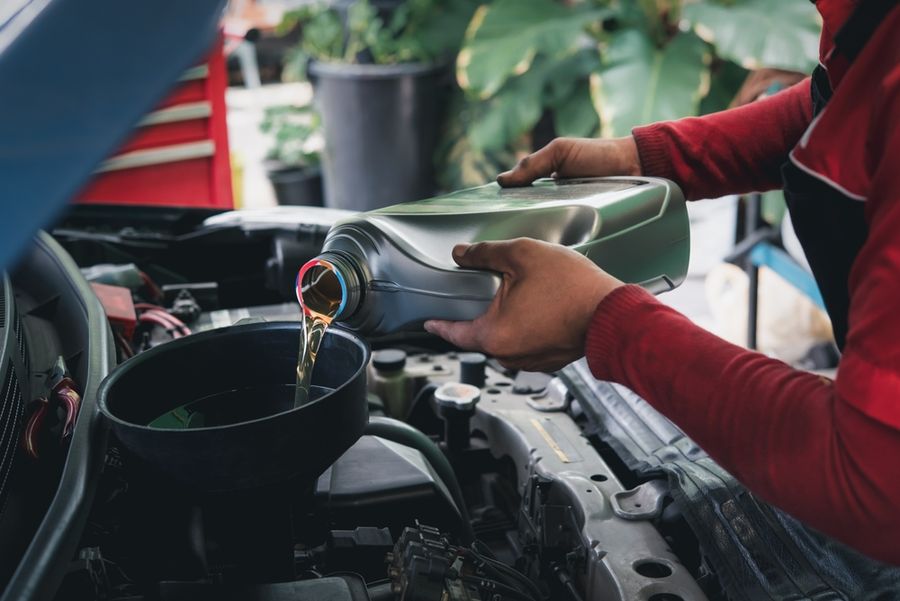
Engine oil keeps internal components lubricated, helping the engine run smoothly and efficiently. Over time, oil breaks down and loses its protective qualities, which can lead to increased wear. Regular oil checks allow drivers to monitor levels and assess whether the oil appears dirty or degraded. Staying aware of these signs helps prevent engine strain and supports long-term performance.
Oil changes follow intervals recommended by the manufacturer, which vary by vehicle type and driving habits. Ignoring these intervals may result in reduced fuel efficiency or engine damage. Using high-quality oil and filters can enhance engine health and extend its lifespan. Consistent attention to oil maintenance remains one of the simplest and most effective ways to protect a vehicle.
Monitoring Tire Health and Pressure
Tires influence everything from fuel economy to braking performance. Properly inflated tires help the vehicle travel efficiently and improve handling in everyday driving conditions. Underinflated tires add strain to the engine and wear out more quickly, while overinflated tires reduce traction. A quick monthly pressure check helps drivers maintain balance and safety on the road.
Tread condition is equally important. Worn tread reduces the tire’s ability to grip the pavement, increasing stopping distances and raising the risk of accidents. Rotating tires at recommended intervals promotes even wear and extends overall lifespan. When drivers stay proactive about tire health, they benefit from a smoother ride and improved vehicle stability.
Understanding the Importance of Fluid Levels
Beyond engine oil, several other fluids contribute to proper vehicle function. Coolant prevents overheating, brake fluid ensures responsive stopping power, and transmission fluid supports smooth gear shifts. When any of these levels drop too low, the vehicle may show signs of strain or reduced performance. Regular checks help identify concerns early before they evolve into costly repairs.
Fluid condition matters just as much as fluid quantity. Contamination or discoloration often signals that a system needs service. Scheduled maintenance helps keep fluid systems clean and effective, reducing the likelihood of unexpected breakdowns. Drivers who remain attentive to these essentials help safeguard their vehicle’s overall health and reliability.
Caring for the Battery and Electrical System
A healthy battery ensures dependable starts and supports critical electrical components inside the vehicle. Over time, batteries naturally lose strength, especially in extreme temperatures. Corrosion on terminals can also hinder performance and lead to starting difficulties. Periodic inspections help identify early signs of wear, extending the battery’s useful life.
Routine electrical system checks provide additional reassurance. Alternator and charging system performance affect how long a battery can hold power. When either begins to fail, drivers may notice dim lights or slower accessory function. Addressing small electrical issues early prevents inconvenient breakdowns and ensures the vehicle remains dependable in a variety of conditions.
Replacing Filters for Clean and Efficient Operation
Air filters and cabin filters play vital roles in supporting both engine performance and interior air quality. The engine air filter keeps debris from entering the combustion chamber, helping maintain proper airflow and fuel efficiency. A clogged filter forces the engine to work harder, leading to reduced performance over time. Regular replacements are simple and affordable, making them an easy part of preventive care.
Cabin filters help clean the air that circulates through the vehicle’s interior. When dirty, they may restrict airflow or allow unpleasant odors to linger. Replacing these filters improves comfort and supports efficient climate control. Keeping all filters fresh contributes to a healthier driving environment and a smoother-running vehicle.
Keeping Your Vehicle in Top Shape
Routine maintenance strengthens a vehicle’s reliability and extends its lifespan in meaningful ways. When drivers stay aware of essential tasks and address issues early, small investments lead to long-term savings while preventing avoidable breakdowns.
Consistent care creates a more comfortable, safer, and more predictable driving experience by keeping major systems functioning as intended. Regular attention also helps identify subtle changes in performance that may require further inspection. With a steady approach, every driver can feel confident in maintaining a well-functioning vehicle that performs dependably on daily trips and longer journeys alike.