

Improving fuel efficiency offers meaningful benefits for both your wallet and your vehicle’s long-term performance. Small adjustments in driving habits and maintenance routines often create noticeable changes in how far each tank of gas will take you. Many drivers overlook simple opportunities to reduce fuel use without sacrificing comfort or convenience. With thoughtful attention to how a vehicle operates, efficiency gains become easier to achieve and maintain over time.
Adopting Smoother Driving Habits
Fuel efficiency often begins with mindful driving. Sudden acceleration and harsh braking require the engine to work harder, burning more fuel than steady, consistent motion. Gentle starts, gradual stops, and maintaining a safe following distance help the vehicle stay in its optimal performance range. Over time, this approach reduces stress on the engine and leads to smoother, more predictable driving experiences.
Maintaining a steady speed also enhances fuel economy. When possible, using cruise control on open roads prevents unnecessary speed fluctuations. Reducing idling is another helpful habit because idling consumes fuel without providing any benefit. Small changes in daily driving patterns can create noticeable improvements in overall efficiency, especially during long commutes or frequent traffic situations.
Keeping Tires Properly Inflated
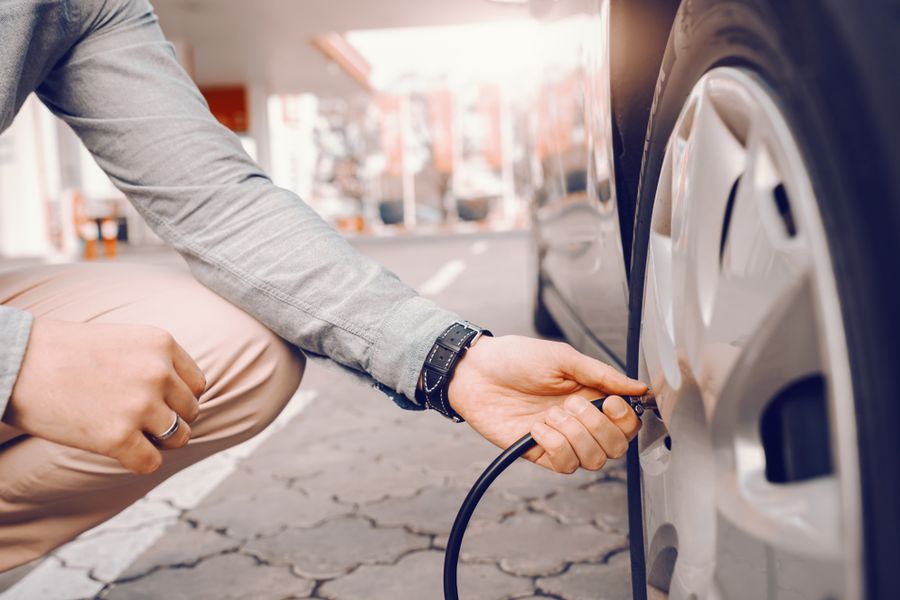
Tire pressure plays a larger role in fuel efficiency than many drivers realize. Underinflated tires increase rolling resistance, making the engine work harder to move the vehicle forward. Regularly checking and adjusting tire pressure ensures optimal performance and smoother handling. Seasonal temperature changes can cause pressure fluctuations, so periodic monitoring throughout the year remains essential.
Proper tire inflation also improves safety and extends tire lifespan. Tires at the recommended pressure offer better traction, wear more evenly, and create a more stable driving experience. Drivers who make tire maintenance a routine part of vehicle care often notice improved fuel economy along with a more comfortable ride. Consistent attention to tire health supports better performance on every trip.
Staying Up to Date on Regular Maintenance
Routine maintenance helps keep the engine running efficiently and reduces unnecessary fuel consumption. Clean air filters allow the engine to breathe properly, while fresh oil reduces friction among moving parts. Spark plugs, fuel systems, and other components also play a role in how efficiently the vehicle converts fuel into power. Staying current with manufacturer recommendations helps prevent gradual performance loss.
A well-maintained vehicle also responds more predictably on the road. Timely service reduces the likelihood of issues that strain the engine or reduce efficiency. Small problems, when ignored, can negatively affect fuel economy and shorten the lifespan of key systems. Regular maintenance appointments create long-term savings by preserving both performance and fuel efficiency.
Reducing Excess Weight and Drag
Carrying unnecessary cargo can lower fuel efficiency by forcing the engine to support additional weight. Removing items from the trunk or backseat that are not needed for daily driving makes the vehicle easier to move. Even small reductions in weight can deliver noticeable improvements, especially in compact vehicles. Keeping the car lighter allows it to operate with less strain during acceleration.
Aerodynamics also affect fuel consumption. Roof racks, cargo boxes, and open windows create drag that disrupts airflow and increases resistance. Removing external accessories when they are not needed helps restore the vehicle’s natural design efficiency. Lower drag reduces the workload on the engine, leading to better mileage and smoother performance at highway speeds.
Planning Routes With Efficiency in Mind
Thoughtful route planning supports fuel savings by reducing time spent in heavy traffic or on inefficient paths. Tools that track real-time traffic conditions can help drivers avoid delays and choose smoother routes. Selecting roads with consistent speed limits or fewer stops often leads to better fuel efficiency. Shorter distances or less congestion typically result in less fuel used.
Driving during off-peak hours can also contribute to improved mileage. Stop-and-go traffic consumes more fuel due to constant changes in speed. When schedules allow flexibility, timing trips wisely creates a more efficient and less stressful driving experience. Planning ahead encourages smoother travel and helps maximize each tank of gas.
Moving Toward Smarter Fuel Use
Improving fuel efficiency becomes easier when thoughtful habits and consistent maintenance come together. Each small adjustment contributes to a more responsive, economical, and reliable vehicle. Drivers who stay aware of how their actions influence fuel use often enjoy meaningful savings and better long-term performance. When efficiency becomes part of everyday driving, the benefits extend well beyond the gas pump.